What is hyaluronic acid in skincare? A plain-language guide
Updated · 4 min read
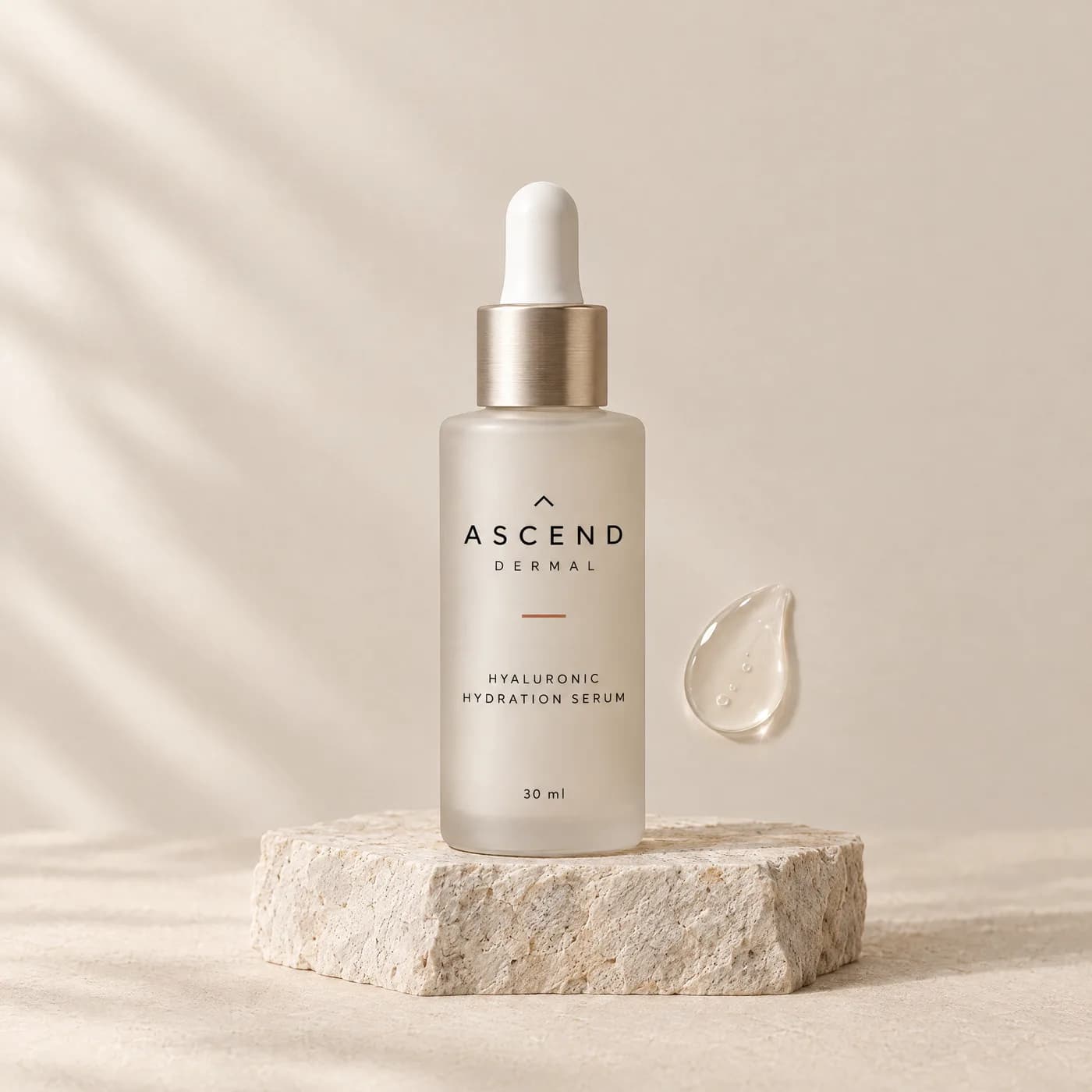
Hyaluronic acid is on a lot of skincare labels. Here is what it is, why formulators use it, and how to get the most from it in an everyday routine — without the hype.
What hyaluronic acid is
Hyaluronic acid is a humectant: an ingredient that attracts and holds water. On labels it is usually listed as hyaluronic acid or sodium hyaluronate, often in more than one molecular weight.
Why it is used in cosmetics
Humectants help the top layers of skin hold on to moisture, which is why skin feels plumper and softer right after applying a hydrating serum.
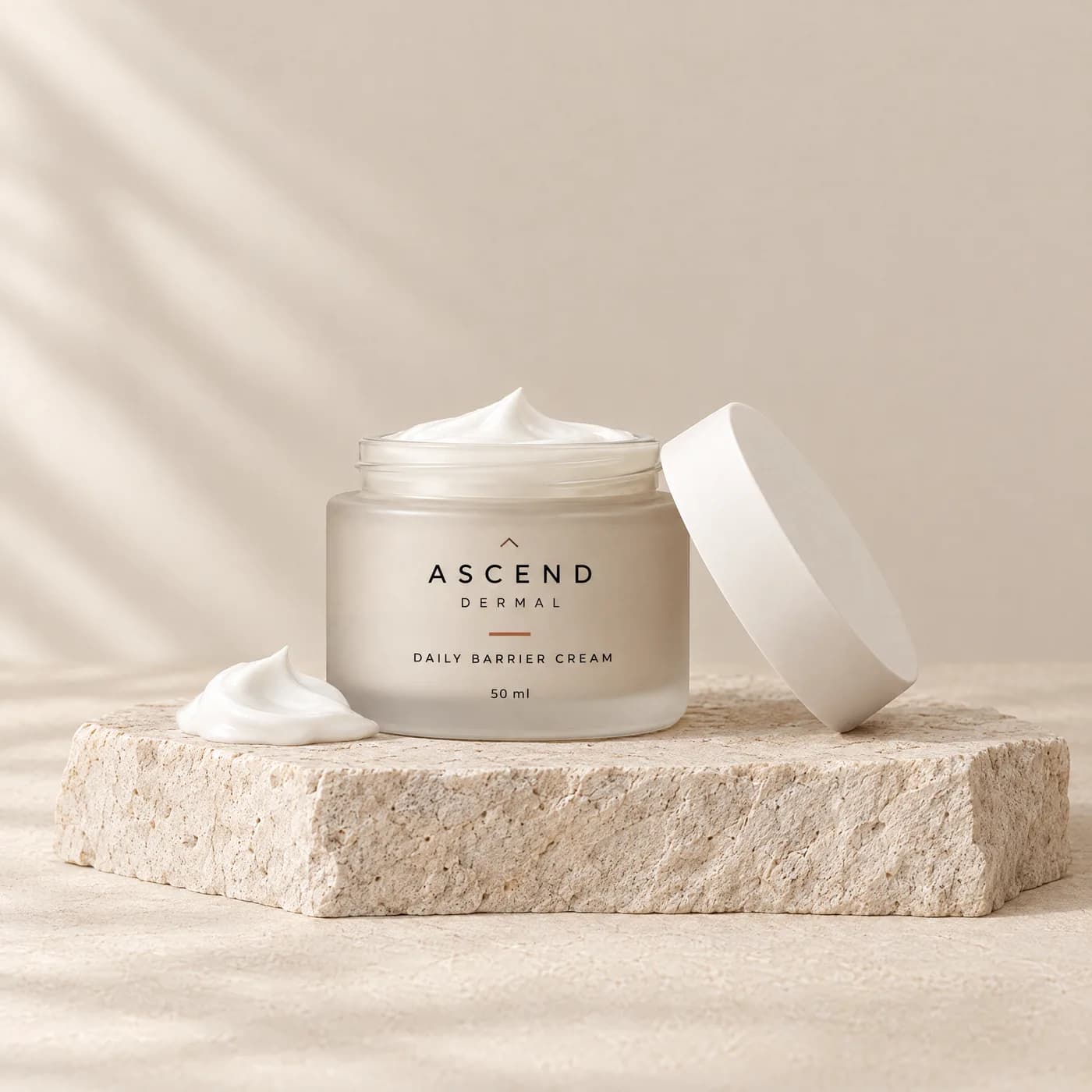
It is typically paired with other hydrators like glycerin and panthenol, and finished with a moisturizer that helps keep that water in place.
How to use it
Apply a hydrating serum to skin that is still slightly damp after cleansing or toning, then follow with moisturizer. In the morning, finish with sunscreen.
- Use it once or twice a day.
- Always follow with a moisturizer.
- Introduce one new product at a time.
Checking whether a product suits you
Trying something new? Patch test it first, and stop using any product that causes irritation. Our usage and safety page walks through a simple patch test.
Questions
Is hyaluronic acid suitable for sensitive skin?
It is generally considered gentle, but every skin is different and the full formula matters. Patch test first and stop use if irritation occurs.
Can I use it with vitamin C or niacinamide?
Hydrating serums usually layer easily with other serums. Apply the thinnest texture first and add one new product at a time so you can tell how each feels.
How long before I notice a difference?
Skin can feel softer and more hydrated right after applying. How skin looks over time depends mostly on using your routine consistently.
For external cosmetic use. Patch test new products and stop use if irritation occurs. See ingredients & safety.